
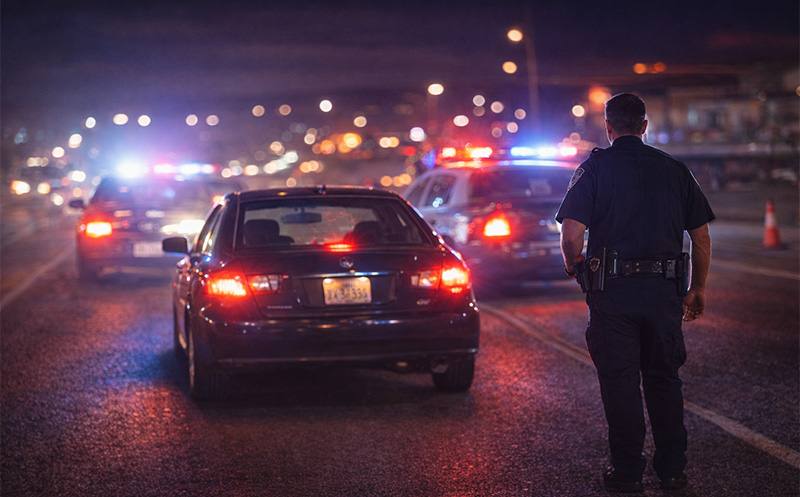
Many DUI cases look straightforward on paper — but the reality is often far more complex. Here’s what gets missed between the arrest and the courtroom.
Most DUI arrests in South Florida follow a familiar script: flashing lights, roadside questions, field sobriety exercises, and an arrest that seems inevitable. By the time the police report is written, the story appears clean, complete, and convincing.
But police reports rarely tell the whole story.
They are summaries — often written hours later — that highlight what officers believe supports probable cause. What they leave out can be just as important as what they include.
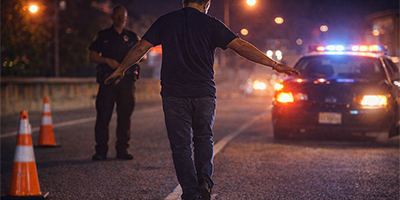
One of the biggest gaps involves the environment where the stop and investigation take place. South Florida roads are loud, chaotic, and unpredictable. Drivers are often pulled over on busy highways like I-95, with traffic rushing past at high speeds, lights flashing, and multiple officers present. These conditions can affect balance, coordination, and a person’s ability to follow instructions — yet those factors rarely make it into the report.
Field sobriety exercises are another example. On paper, they are described in neat, standardized terms: instructions given, clues observed, conclusions reached. In reality, these exercises are highly subjective. Subtle factors — uneven pavement, poor lighting, nerves, fatigue, or even prior injuries — can influence performance. None of that nuance typically shows up in a few lines of a report.
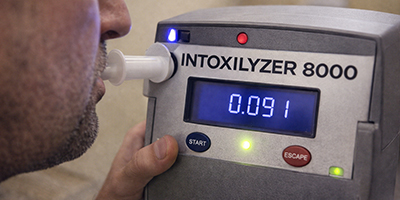
Breath testing raises its own set of issues. Many people assume that a breath test result is definitive, but the process depends on strict procedures and properly maintained equipment. Small deviations — whether in observation periods, machine calibration, or environmental conditions — can impact results. Again, these details are rarely explained in the initial documentation.
Another critical piece that often gets overlooked is the difference between what is written and what is recorded. Dash cameras and body-worn cameras sometimes tell a more complete story than the report itself. Tone of voice, clarity of speech, and overall demeanor can differ significantly from how events are later summarized. In some cases, video evidence contradicts key aspects of the written narrative.
This is where experience matters. An experienced Fort Lauderdale criminal defense attorney can evaluate not just what is written in the report, but what is missing — and how those gaps affect the strength of the case. DUI cases are often built on layers of observation and interpretation, not just hard numbers.
It’s also important to understand that a DUI arrest is not the same as a conviction. The report may create the impression that the outcome is already decided, but that is far from true. Every element of the investigation — from the initial stop to the testing procedures — can be challenged.
In South Florida, where DUI enforcement is aggressive and arrests are common, it’s easy to assume the system is straightforward. But behind nearly every DUI case is a set of details that never make it into the official narrative.
And sometimes, those details make all the difference.